Skip to content

Porto travel guide: What to do in Porto
Porto is the perfect getaway for a weekend trip, with its famous port cellars, colorful houses, and beautiful riverside location. It’s located on a hill, but generally it’s a very walkable city with enough to do, to keep you busy for a couple of days. Stroll past the different viewpoints overlooking the Douro river, while making your way past all the beautiful buildings with the iconic blue tiles. It offers the opportunity to take a beach day or a wine tour if you’re craving some more relaxed activities. There’s something for everyone in this colorful city. Here are my top things to do in Porto!
What to do in Porto?
Igreja do Carmo
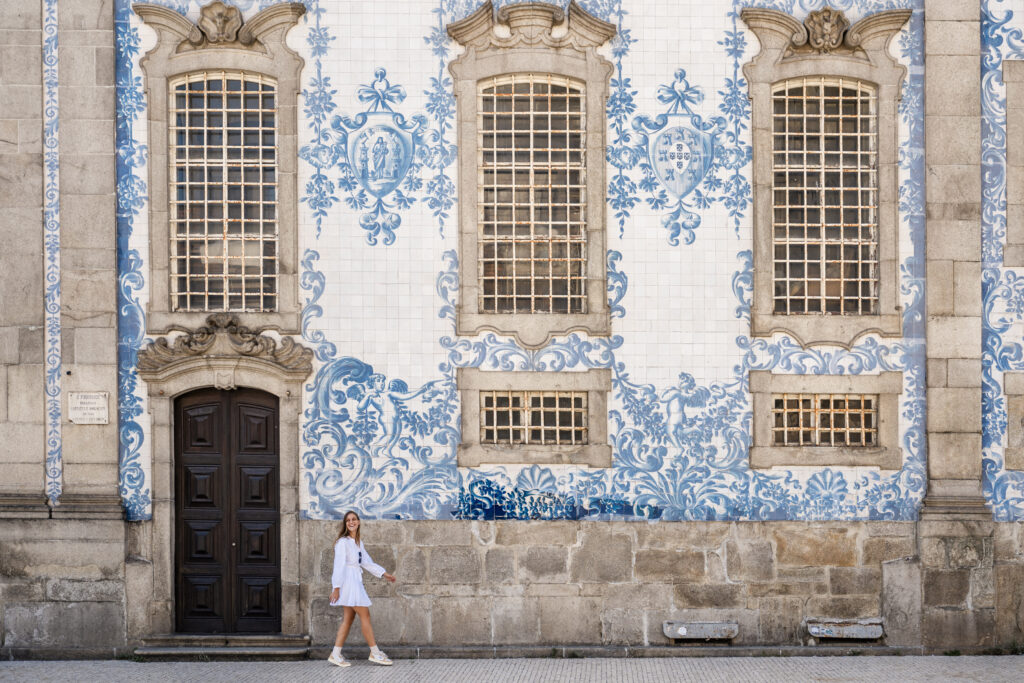
One of the most impressive examples of buildings featuring Azulejo tiles is the Igreja do Carmo. The building consists of two churches, with a very narrow house in between. Why was this house sandwiched in between the two churches? Back in the day they thought it was important to keep the nuns and the monks separate.
Spot more Azulejos (blue tiles)
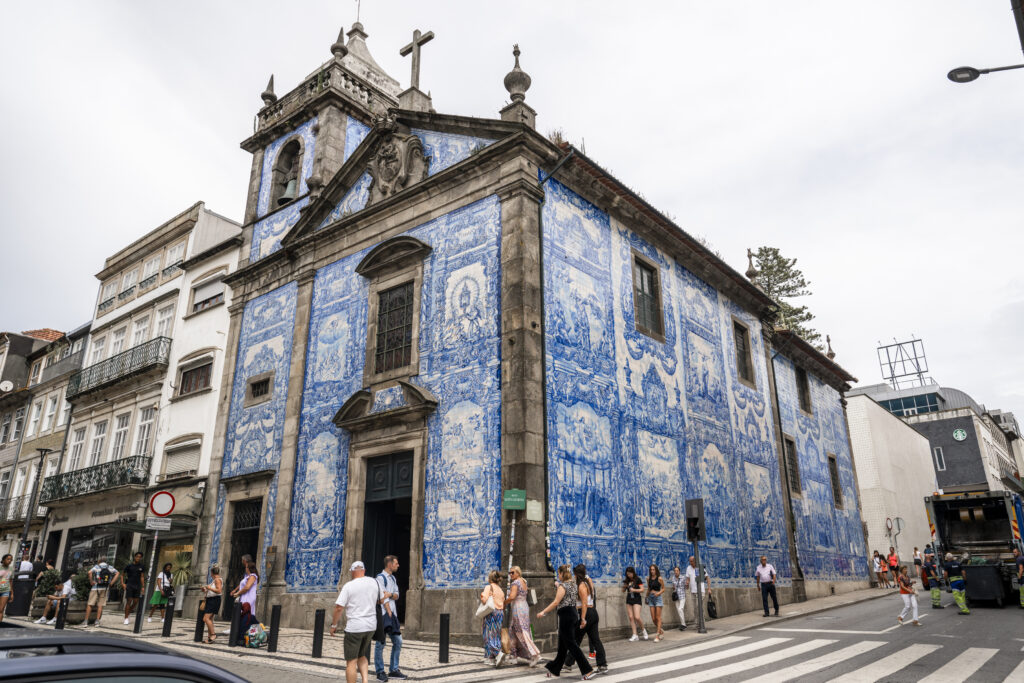
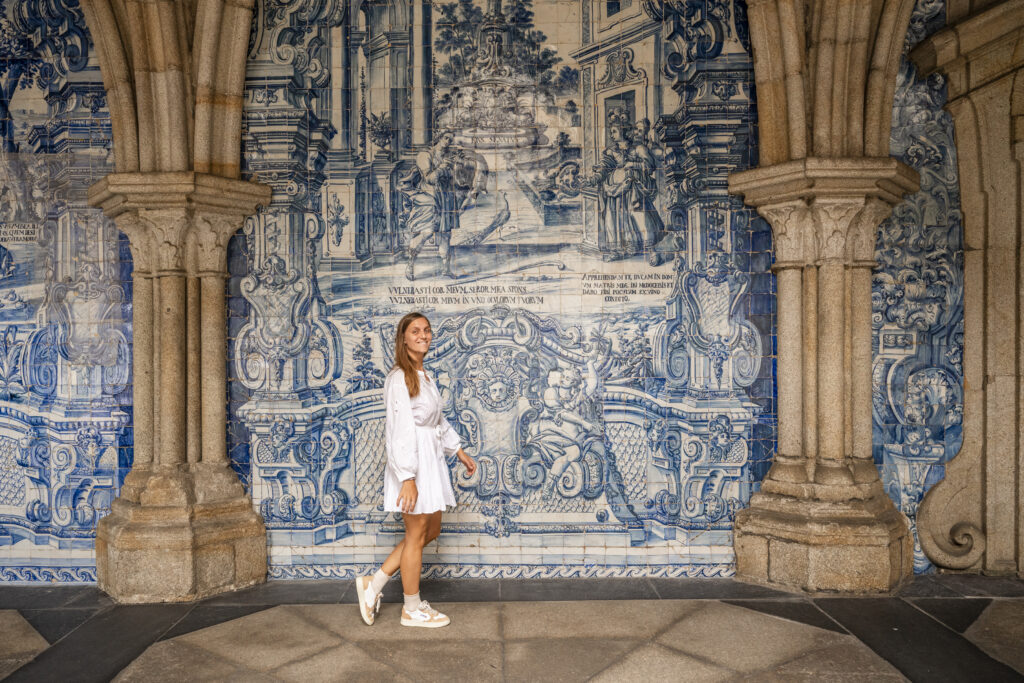
Azulejo is the name for the beautiful blue tiles you see everywhere in Portugal. The tiles are mostly blue, but you can also find them in other colors. You can find the tiles on the inside and outside of churches, palaces, houses, but nowadays also restaurants and train stations. The tiles originally stem from Arabic architecture. The tiles were well loved in Spain and they developed their own techniques. King Manuel I of Portugal was introduced to these techniques when he visited Spain and he then applied them in Portugal.
The following buildings in Porto have some impressive examples of Azulejos:
- Capela das Almas
- Igreja de Santo Ildefonso
- São Bento trainstation
Port tasting in Gaia
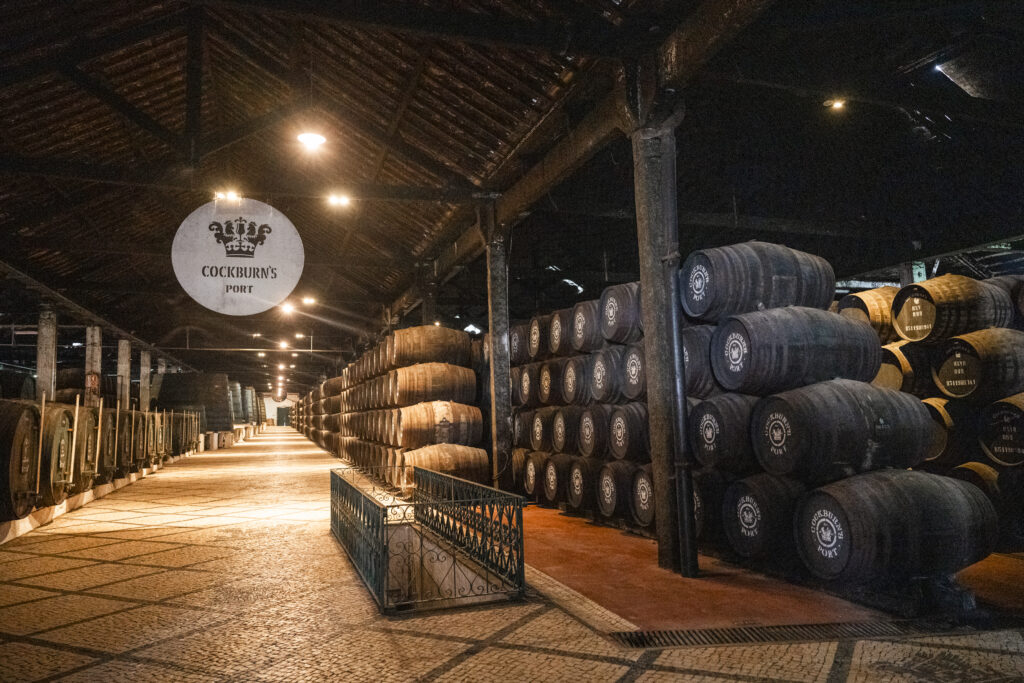
One of the things Porto is most famous for is Port wine. All the famous port houses are located in Gaia. We decided to go with the Cockburn’s tour and it was a great choice. They have the only active Cooper workshop in Gaia. This is where they work on the barrels for storing the port wine. There’s only 8 coopers left in all of Gaia. During the tour you learn a lot about the history of Cockburn’s, but also about the process of the Port making. They offer a few different types of tastings at the end of the tour. We chose the one that included some nice chocolates to go with the port.
Tour+Tasting: Classic tasting: €22, premium tasting with chocolate pairing: €32. These tastings can be booked here.

Watch the sunset from Mosteiro da Serra do Pilar/Jardim do Morro
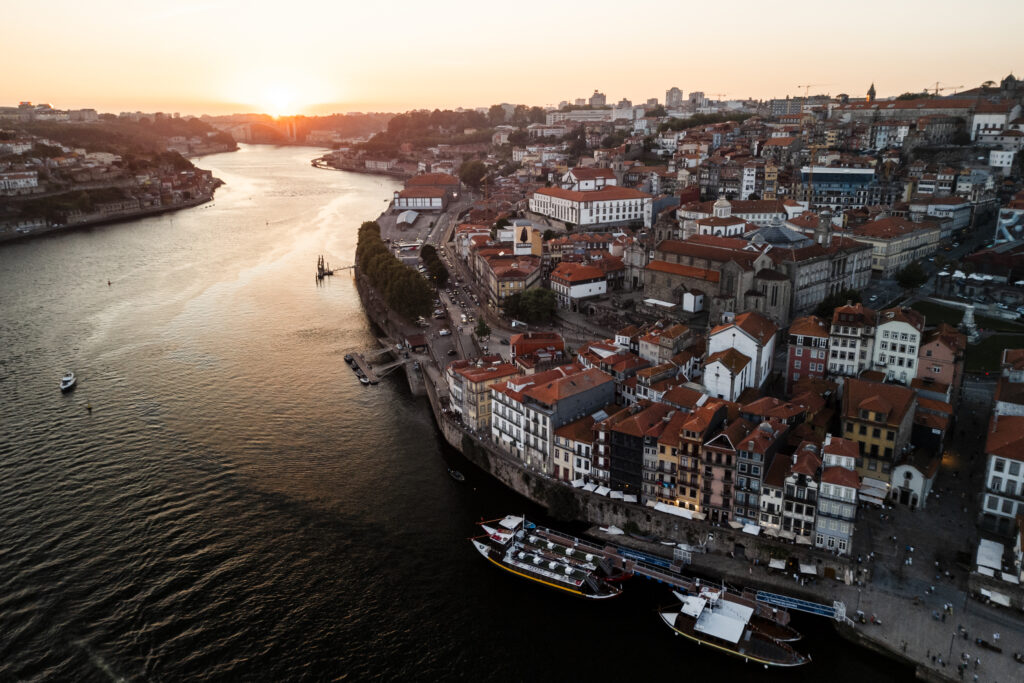
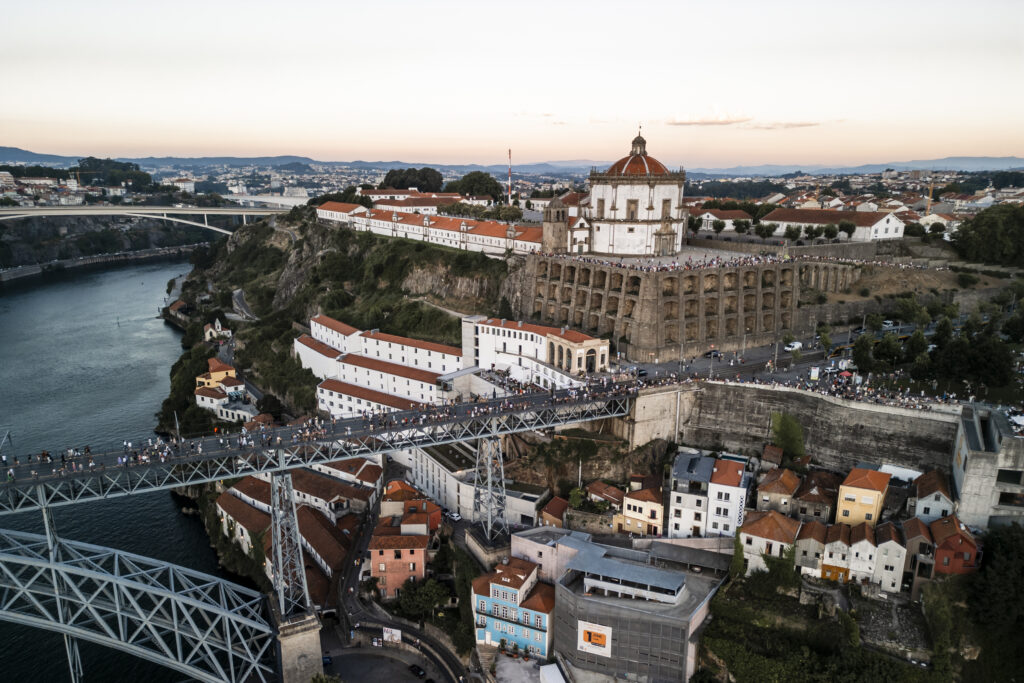
There’s a monastery on a hill that you can see from almost any viewpoint in Porto. This is Mosteiro da Serra do Pilar. It’s one of the best spots in the city to watch the sunset. You can go all the way up to the monastery or sit in the park right below it. I included one photo of the view and one photo of the monastery. As you can see in the photo, hundreds of people climb up to this pot to watch the sunset!
Rent an electric scooter and drive down the coastline
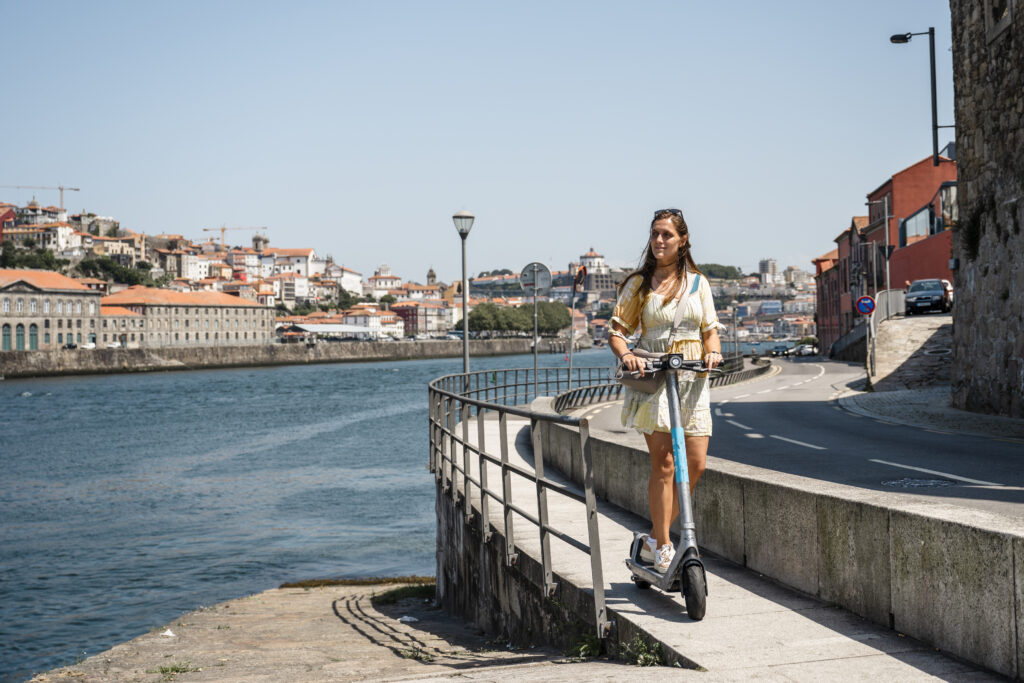
Explore the Douro river flowing into the Atlantic Ocean by renting an electric scooter. There’s a cycling path running all the way down the coast. (see route below) You can cruise down until you find a nice spot on the beach or until you reach the beautiful chapel that’s perched on a rock in the ocean: Capela do Senhor da Pedra. You can find the bird or bolt scooters in several spots in the city. A convenient spot to rent them is in Gaia. On the route I included below you can see where I picked up mine.
Capela do Senhor da Pedra
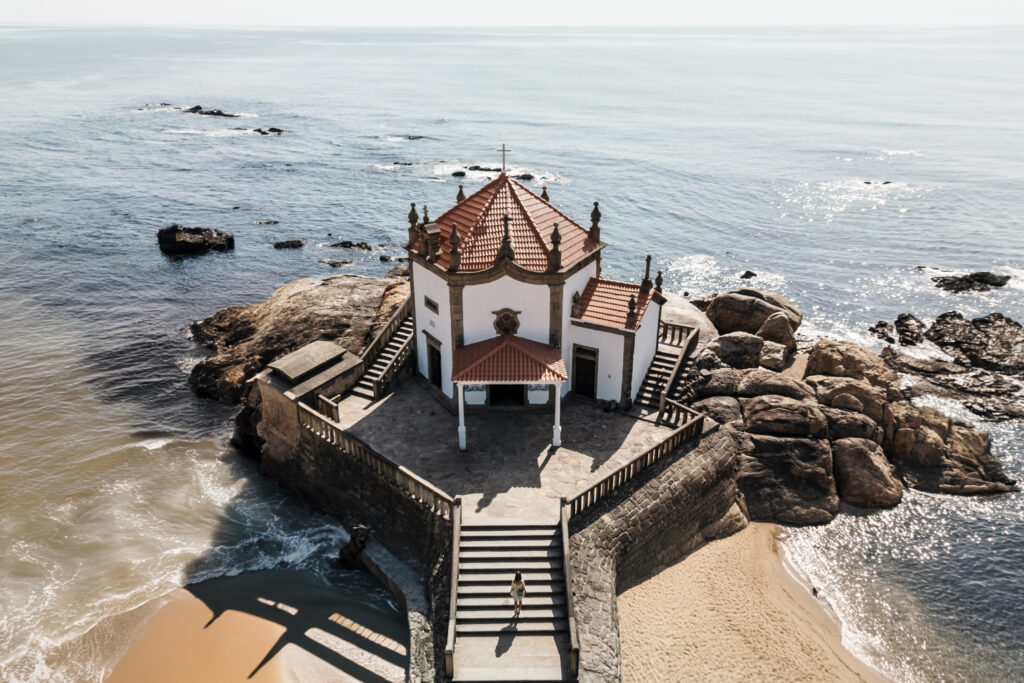
Cruise down the coast of Porto all the way to the small village of Miramar. There you’ll find this tiny chapel perched on top of a rock known as Capela do Senhor da Pedra. The chapel dates back to 1686. According to a legend, local fisherman found a wooden statue of Christ on the beach, which led them to building the chapel in this spot. The chapel continues to be a destination for Pilgrims. The hexagonal chapel is a great example of traditional Portuguese architecture. Inside you’ll find the classic blue Azulejo tiles.
Personally, I wanted to visit the chapel, because of its unique location. Especially at high tide, its an impressive place to visit! So, check the tides if you want to see the chapel surrounded by water.
Porto Cathedral
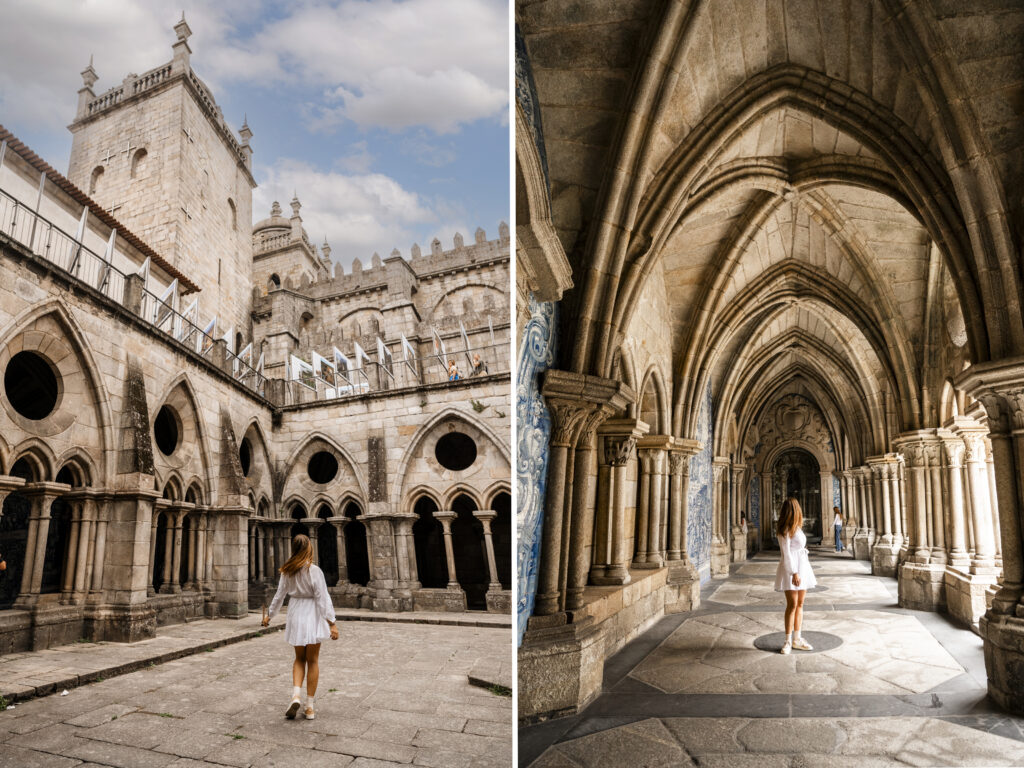
The Porto Cathedral or Sé do Porto is located on a pretty square in the historical centre. It sits up on a hill and the square offers some nice views of the Douro river. Visiting the Cathedral itself is free, but to go into the Cloister you need a ticket. The robust exterior is nice enough, but the inside is the most impressive.
Ticket: €3
Get a massage at ‘Massage Tea & Cakes’
This is small local massage shop run by two women. I’m honestly still heartbroken Maria lives in Porto and not Amsterdam , because I would want to book a weekly massage with her. It may just be the best massage I’ve ever had. So if you need a little relaxation after exploring the city, I highly recommend this place!
Try Pastel de Nata from Castro
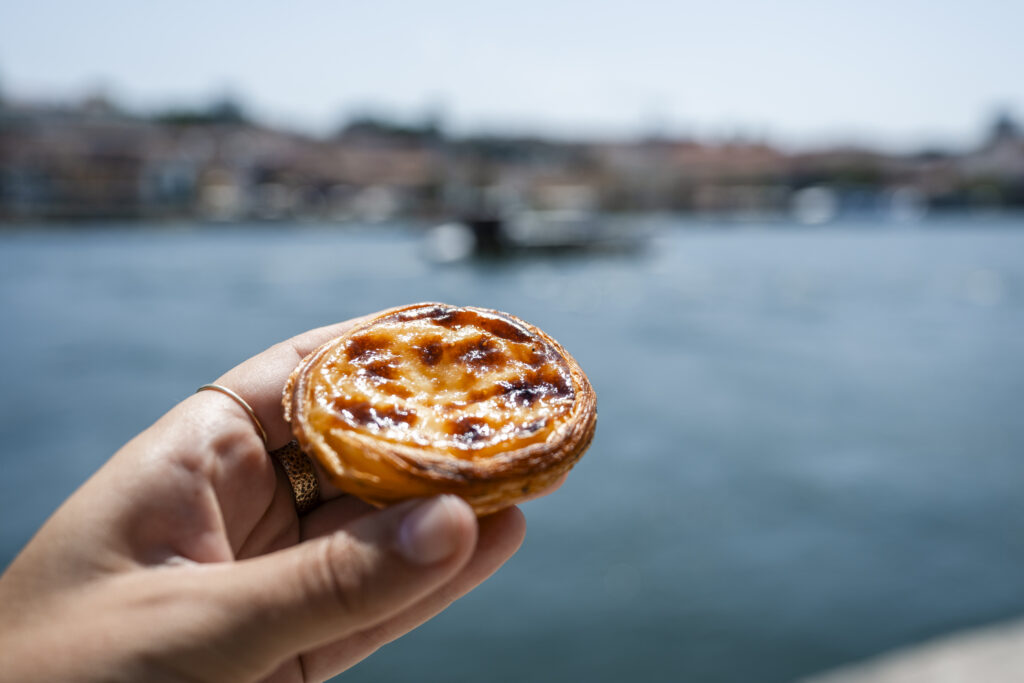
Pastel de Nata is likely Portugal’s most famous delicacy. The custard filled pastry is something you have to try! According to locals, Castro serves the best one. While waiting in line for my first taste of the pasty, I did notice several locals were there for their fix as well!
Palácio da Bolsa
Palacio da Bolsa is one of Porto’s most important historical buildings. You can only enter with a tour, because the building is still in use. The tour takes you past several rooms, all with different purposes. Among them is a courtroom, offices of the former presidents of the chamber of commerce and their most impressive room: the Arabian Room. The Arabian room is Porto’s most important hall for official acts and has also staged many concerts and prestigious events. When you enter, you can see why they use this room for special events as it really has that wow factor!
Entrance fee: €12 or €9 with the porto card.
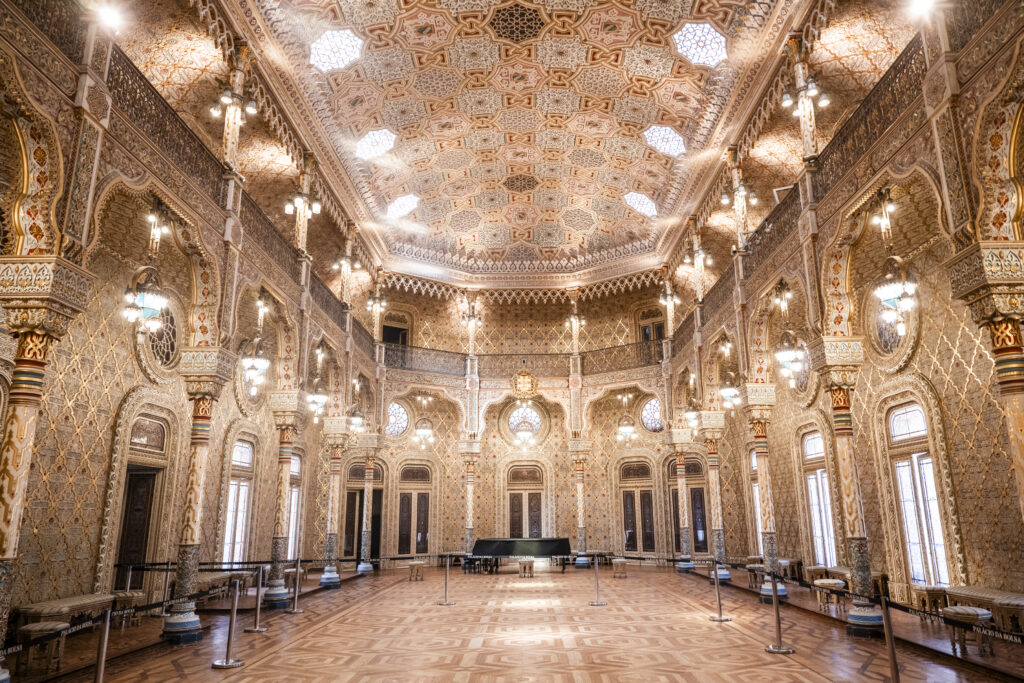
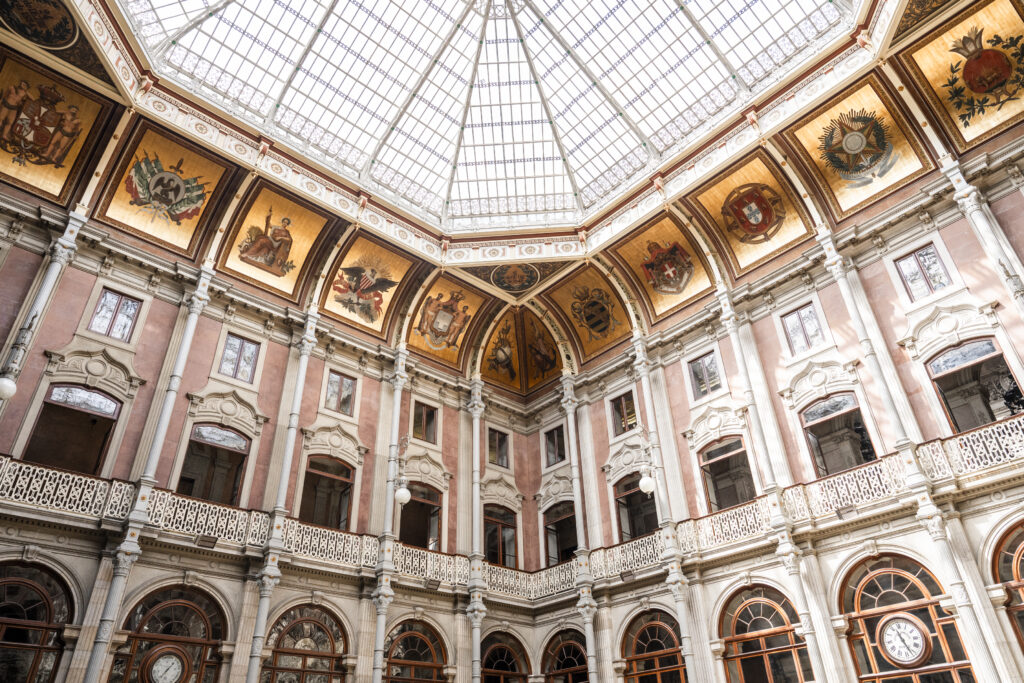
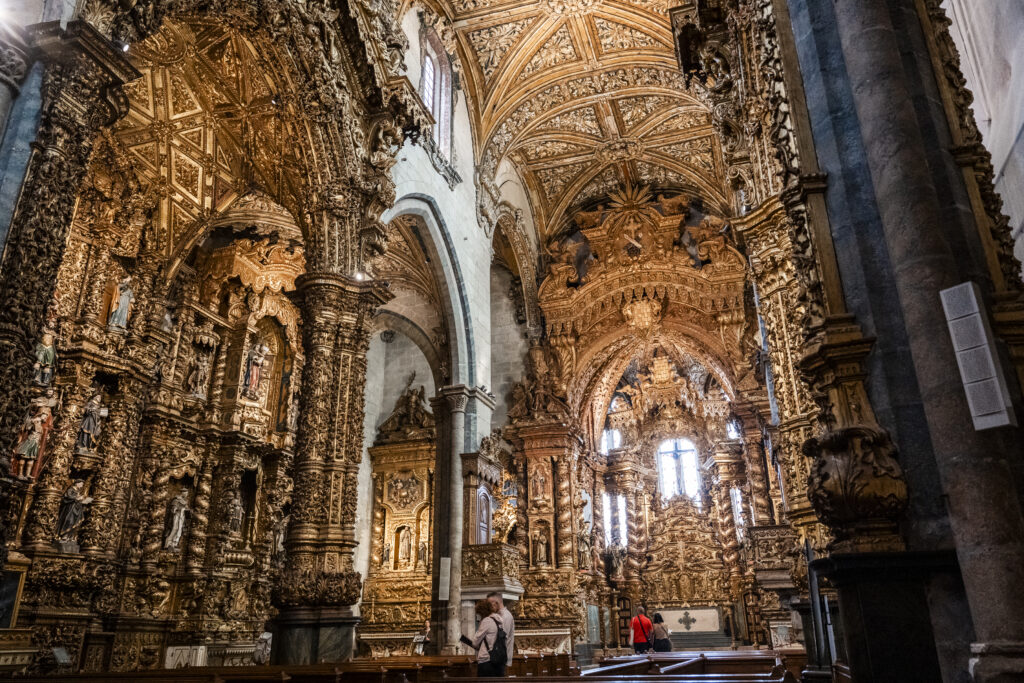
Visit golden church Igreja de São Francisco
The Igreja de São Francisco, also called the golden church is likely Porto’s most famous church. When you enter, you’ll see why. They used around 200 kilos of gold leaf. All the most important families of Porto are buried in the catacomb of the church.
Ticket: Adult: €7,50, Student/Porto card:25% discount
Museum de Arte Comtemporânea de Serralves
If you’re into contemporary art this museum has to be on your list. While I was there, they had an impressive exhibition by Yayoi Kusama. With the ticket you can enter the museum, but everything on the ‘Serralves’ grounds, which includes two more museum and the park next-door.
Ticket: €24


Parque de Serralves/Treetop walk
After visiting the comtemporary art museum, it’s worth taking a walk through the park that’s right next to it. It has two more museums on the grounds and a treetop walk that takes you on a little jungle tour.


Daytrip to Braga
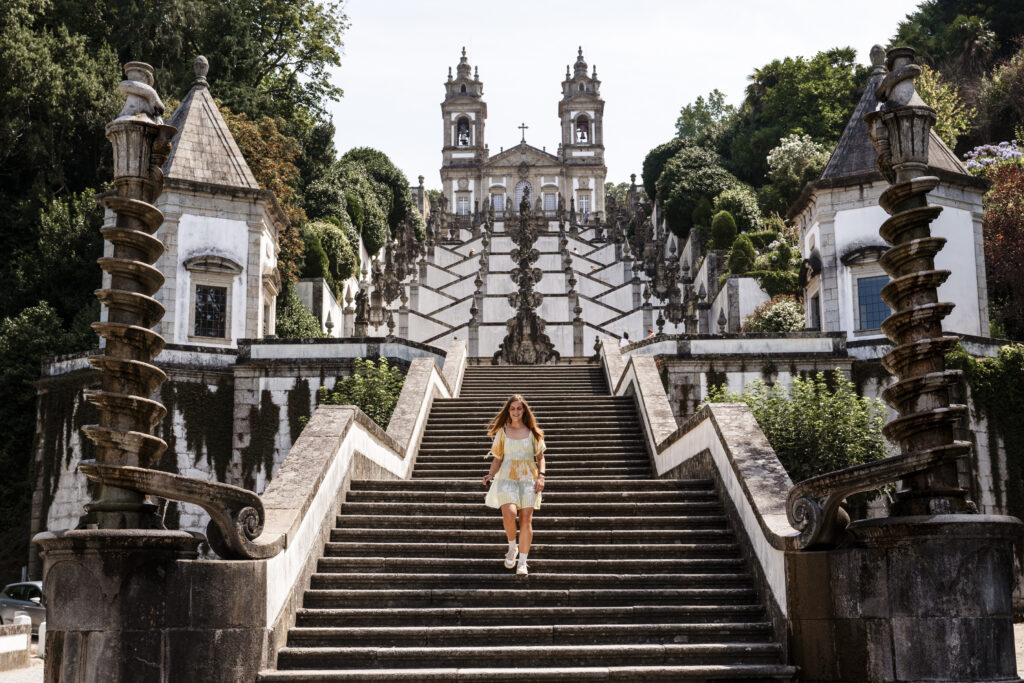
There’s a lot to see in Porto, but if you have the time Braga is an absolutely wonderful city for a daytrip. There’s is the famous Bom Jesus church, but the city is packed with beautiful churches and historical buildings. It takes a little over 1 hour to get there by train.
Read my full guide to Braga here.
(Maybe skip) Bookstore Livraria Lello
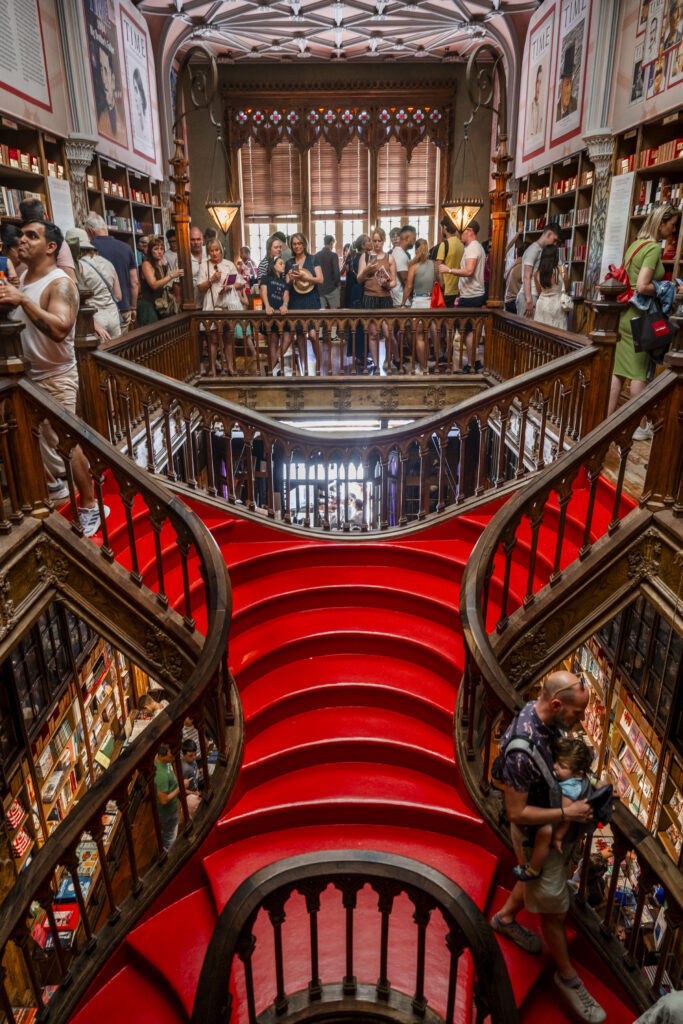
Livraria Lello is famous for its beautiful interior and for having inspired Harry Potter. So why would I think it may be better to skip it? Let’s start with the positives. Yes, it’s beautiful. It has an iconic red staircase, gothic exterior and art nouveau interior with beautiful stained glass. However, it has a very limited collections of books and it’s always packed with people. I imagined myself browsing the shelves, but besides some pretty classics, they didn’t have a lot of contemporary books and people are constantly bumping into you and taking photos. I did think the store was beautiful, but in hindsight I didn’t think it was special enough to warrant the queues and entrance ticket to get in. Nowadays you can only enter with a ticket (which you can use as credit to purchase a book).
Ticket voucher: €8 valid for entrance and deductible on the purchase of a book
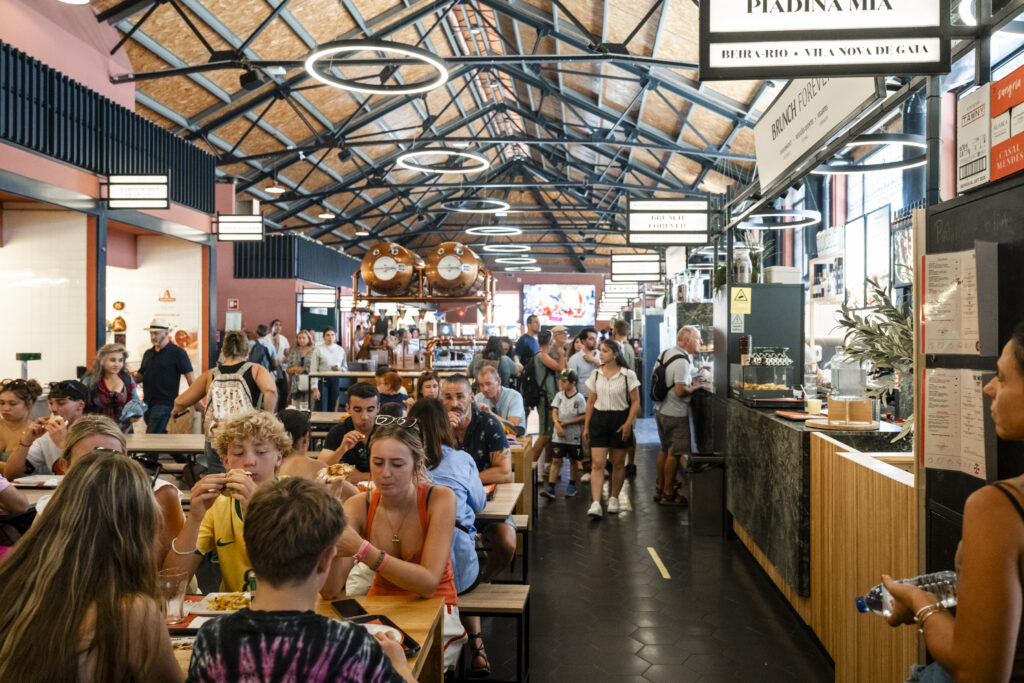
Visit a Foodmarket: Mercado do Bolhâo or Mercado Beira-Rio


Restaurants in Porto, Portugal
Rosi. Café & more: This super cute cafe can be found in the gallery district. They have the most incredible brunch dishes and I could have eaten here every day! There’s a cute little garden in the back. I personally love sitting outside, so I was very happy to have brunch here and read a book in their garden. 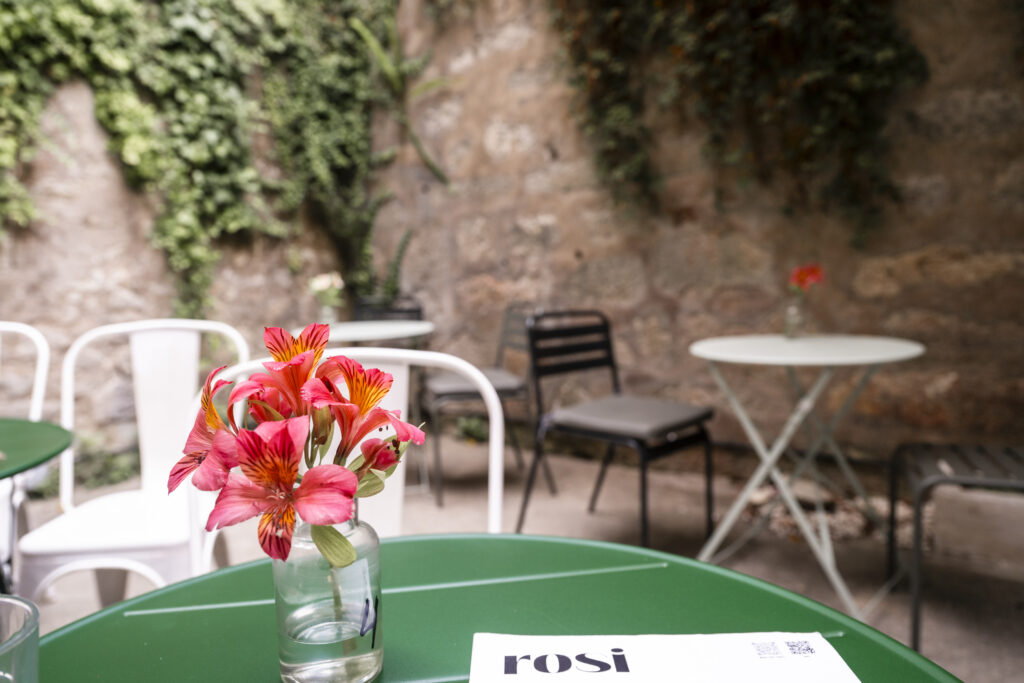
Eleven Lab: You enter through a store, which can be a bit confusing. This brunch place is however well worth a visit. It has lots of healthy options, besides the more well known brunch options.
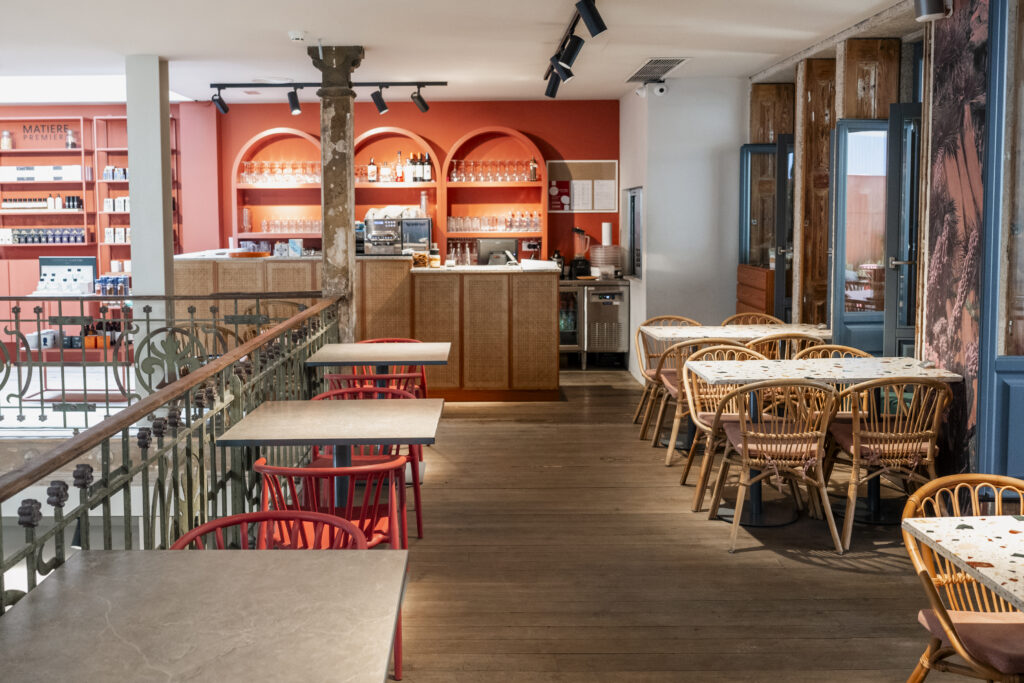
Vintu – Wine Bar: New wine bar with lovely staff that can give you some great recommendations.
Genuíno – Vinho Natural e Boa Comida: Fresh and interesting dishes, combined with a Wonderfull vibe makes this a place you have to visit.
CA Downtown – Brunch & Specialty Coffee: Brunch place with options for everyone. Wether you are gluten free or vegetarian.
Honest Greens José Falcão: Healthy brunch restaurant. You ‘build’ your meal by choosing your protein and side dishes. I had the salmon and it was super tasty!
Aduela: A classic Portuguese cafe, great for a glass of wine and a snack.
Espécie – Restaurante Vegetariano: Amazing veggie food. Try the KFC (Korean Fried Cauliflower)
Kind kitchen: Great option if you’re looking for a quick vegan dinner.
Places to stay in Porto
Ribeira is right by the riverside and is lively in the evening, but the other side of the river is more quiet and you’ll still be in Porto Center within 10 minutes. If you’d like to have a bit more of a view, somewhere near Igreja do Carmo might be nice as you’ll be close to many good restaurants.
7 Bridges Estúdios- Porto-houses and suites: Why is this one of the best places to stay? You get your own studio in a great location (near Sé do Porto, Ponte Luis) and it’s clean and quiet despite being in the center.
Zero Box Lodge Porto: Looking for something unique and affordable? My friend stayed here while she was looking for a place to live in Porto and she loved this hotel. It’s clean, beds are good and the bar is very nice. Only thing she wouldn’t recommend was the food. But as you’ll be in the center near many restaurants that shouldn’t be an issue.
Chic & Basic Gravity: I love the location of this hotel. It’s very central, but also close to an up and coming neighborhood with in my opinion the very best restaurants. They have a great breakfast and very nice looking rooms.
How to Get Around Porto
One of the best things about Porto is that you can explore much of the city on foot. The historic centre is compact, and wandering through its narrow streets is part of the experience. However, Porto is also famously hilly, so you might want to use public transport when travelling between neighbourhoods or making your way back uphill after a day of sightseeing.
Are you planning to do a roadtrip around Portugal, check out Discover Cars for the cheapest deals!
Walking
Walking is my favourite way to discover Porto. Many of the city’s highlights are within walking distance of each other, including the Ribeira waterfront, São Bento railway station, Livraria Lello and the Clérigos Tower. You can also cross the Dom Luís I Bridge on foot to explore Vila Nova de Gaia, where many of the famous port wine cellars are located. Keep in mind that Porto’s steep streets and cobblestones can make walking more tiring than expected. Comfortable shoes are essential, especially if you plan to spend an entire day exploring the city.
Metro
Porto’s metro is convenient for longer journeys, including traveling between the airport and the city centre. Line E (the purple line) connects Francisco Sá Carneiro Airport with central Porto, making it an easy alternative to a taxi. The metro is also useful for reaching areas outside the historic centre. However, you probably won’t need it for every sightseeing trip, as many attractions are close enough to reach on foot.
Buses and historic trams
Porto’s bus network connects neighborhoods that are less convenient to reach by metro. Buses can be particularly useful if you want to avoid some of the city’s steep uphill walks. The historic trams are another option, especially if you want to experience a more traditional side of Porto. Keep in mind that these trams are primarily a sightseeing experience rather than the cheapest way to get around. They require a separate ticket from the regular metro and bus network.
Funiculars and cable cars
If you’re tired of climbing Porto’s hills, the Funicular dos Guindais connects the Ribeira area with the higher streets near Batalha. It’s a convenient way to avoid a particularly steep climb, while also offering lovely views of the Douro River and the Dom Luís I Bridge. Across the river in Vila Nova de Gaia, you can also take the cable car for panoramic views over Porto and the wine cellars. Both are enjoyable experiences, but they’re optional rather than essential for getting around.
Public transport tickets and passes
Porto uses the Andante ticketing system for its metro, buses and participating trains. The price of a journey depends on the zones you travel through, rather than the type of transport you use.
Here are the main options to consider:
- Single Andante ticket: Best if you only need occasional journeys. Prices start at €1.40 for a Z2 journey, with higher fares for journeys across more zones.
- 24-hour Andante ticket: A good option if you plan to use public transport several times in one day. A Z2 ticket costs €5.15, although you should check whether the zones covered are sufficient for your planned journeys.
- Andante Tour 1 and Tour 3: Tourist transport passes that provide unlimited travel within their respective coverage areas. The official published prices are €5 for Tour 1 and €11 for Tour 3. Check the current validity and coverage before purchasing.
- Contactless bank card: At participating metro and bus validators, you can pay directly with a contactless bank card. The system can apply a daily fare cap, which may be convenient if you don’t want to buy a separate transport card.
You can check current fares and coverage on the official Andante website.
Which option is the most affordable? If you’re staying in central Porto and mainly exploring on foot, buying individual tickets is usually the cheapest option. For a day with several public transport journeys, compare the cost of your planned trips with a suitable 24-hour ticket. If you expect to use public transport extensively over several days, an Andante tourist pass may be worth considering.
Remember to validate your Andante ticket when starting your journey and when changing lines or transport. An unvalidated ticket may be considered invalid, even if you’ve already purchased it.
Where to buy Andante tickets
- Andante shop at Porto Airport (daily 08:00-18:30)
- Andante shop at Metro Trindade (Mon-Fri 09:00-18:00, Sat 09:00-13:00)
- Ticket desk at São Bento railway station (opening hours may vary)
Is the Porto.CARD Worth It?
The Porto.CARD is a city sightseeing card designed to help you save money on attractions, museums, tours and selected restaurants. It’s worth considering if you want to visit several paid attractions during your stay, but it isn’t automatically the best choice for every traveller. I wanted to visit a lot of museums and do a wine tour, so for me it was an easy choice. The validity of the card starts when you use it, so make sure to plan the activities that are free or discounted by the card in subsequent days.
What does the Porto.CARD include?
Depending on the current offer and the participating attraction, the card provides benefits such as:
- Free admission to Five museums: Casa do Infante, the Port Wine Museum, the Museu Romantico, the Museu do Papel Moeda and the Reservatorio.
- Discounts at other museums, monuments and cultural attractions.
- Reduced prices for selected Douro River cruises and port wine cellar visits.
- Discounts on sightseeing tours, including hop-on hop-off buses.
- Savings at selected restaurants, shops and other participating businesses.
The card is generally available for different periods, from one to four days. Check the official Visit Porto website for the latest benefits, prices and participating attractions before buying.
Important: Don’t assume that public transport is included in every version of the Porto.CARD. Transport inclusion and pricing can vary between offers, and some currently advertised cards cover attractions and discounts only. If you need transport as well, compare the total cost with buying an Andante ticket separately.
How much does the Porto.CARD cost?
The Porto Card is available in four durations – 1, 2, 3 or 4 days. It costs €7.50 for one day, €12 for two days, €16 for three days and €18 for four days. The card’s validity only starts when you use it for the first time.
| Duration | Price per person |
|---|---|
| 1 day | 7.50 € |
| 2 days | 12 € |
| 3 days | 16 € |
| 4 days | 18 € |